
Anti-Inflammatory Foods
This week, I am supposed to be talking about the supplements that are beneficial for those with autoimmune diseases; however, I wanted to add on to last week’s topic of the autoimmune diet protocol. The autoimmune diet protocol is mostly an overview of what foods to avoid in order to reduce inflammation. What I didn’t discuss were the anti-inflammatory foods to add into your diet. While you can reduce inflammation by subtracting foods from your diet, you can also reduce inflammation by adding foods into your diet.
Inflammation is a lot of times compared to a fire in your body. It continues to be stoked by certain foods, lack of sleep, or stress and will continue to get bigger and bigger over time. And similar to a fire, it will lead to lasting and widespread damage. The reasoning behind using anti-inflammatory foods is that it is thought to put out this fire. The easiest way to really affect the inflammation is to replace anti-inflammatory foods with pro-inflammatory foods. Inflammation causes the body along with the immune system to always be on high alert. Chronic inflammation can wreak havoc on the body and can lead to many conditions most of which are autoimmune related, but inflammation can also lead to heart disease, hypertension, heart attack, stroke, cancer, Alzheimer’s disease and other dementias, depression and anxiety, fatty liver disease, and asthma.
As of right now, approximately 60% of American adults have a chronic disease, and 40% have two or more chronic diseases. Everyday someone has a heart attack every 40 seconds, cancer is the second leading cause of death worldwide, 50 million Americans have an autoimmune disease, and almost half the population of the United States has either prediabetes or diabetes. In addition, brain health problems are also on the rise. Around 20% of adults have a diagnosable mental disorder with depression being the leading cause of disability around the world. Anxiety impacts more than 40 million Americans, and Alzheimer’s disease is the sixth leading cause of death in the United States. Every single one of these health problems is inflammatory in nature.
A couple of things that are issues with inflammation include blood sugar, gut health, and obesity. Blood sugar levels, especially high blood sugar contributes to oxidative stress and then triggers the release of inflammatory compounds. This is caused by diets that are high in added sugars and refined carbohydrates – think pastries, desserts, candy, sodas, and foods made with white flour. Natural sugars such as those found in fruit along with complex carbohydrates like whole grains and starchy vegetables do not have the same impact on blood sugar. In addition, these same foods – refined carbohydrates and sugars, highly processed foods, alcohol, and saturated or trans fats may harm the lining of the gut and makes it more permeable. If you remember from last week’s post, we all have small gaps in the intestinal wall that allows water and nutrients to pass through, while also blocking the passage of harmful substances. When these gaps become looser, the gut then becomes more permeable which allows bacteria and toxins to pass from the gut into the bloodstream, which is known as leaky gut. When this happens and the bacteria and toxins then enter the bloodstream, it causes widespread inflammation, which then can potentially trigger a reaction from the immune system. Finally, having excess body weight can also contribute to inflammation. It is thought that fat tissues can release pro-inflammatory cytokines.
In addition to the dietary choices, lack of exercise, poor sleep, and stress that leads to inflammation, dehydration has also been linked to chronic inflammation. It has been found that individuals with inflammatory diseases may have worsening symptoms when dehydrated; therefore, it can also be helpful if in addition to drinking plenty of water, eat more foods with a high-water content, such as cucumbers, watermelon, strawberries, oranges, lettuce, and cantaloupe.
It is basically thought that there is no neutral food, when eating you are either feeding health or fighting it. What are the foods that help fight inflammation? Foods that provide antioxidants, beneficial compounds, omega-3 fatty acids, and fiber all have anti-inflammatory potential. In some cases, it has been found that increasing consumption of these foods actually appears to have more of an effect on reducing chronic inflammation than just cutting back on inflammatory foods. A general list of foods that contain inflammation fighting nutrients and compounds include:
- Vegetables
- Fruits
- Legumes (though this one is also on the list of foods to avoid in the autoimmune protocol diet)
- Fatty Fish
- Grains (gluten-free ones)
- Nuts and Seeds (again some are listed on the foods to avoid)
- Olive Oil
- Herbs and Spices
- Fermented Foods
- Dark Chocolate
- Green Tea
However, do not forget that there will be foods that move you closer to or further away from inflammation can be completely different from the foods that do that for anyone else. Some foods will be listed on the foods to include as well as the foods to avoid – think legumes, nuts, seeds, and nightshades. Tomatoes are considered a large anti-inflammatory food; however, nightshades are listed on foods for those with autoimmune diseases to avoid. This goes back to attempting an elimination diet that will help pinpoint your exact inflammatory foods. This has a lot to do with food allergies, intolerances, and sensitivities.
There are a lot of different diets in addition to the autoimmune protocol diet or the whole 30 diet that may help or be beneficial to those with autoimmune disorders. If there are foods that are tolerated, it is very possible that you do not have to be so restrictive to reap the benefits. A couple of these diets include:
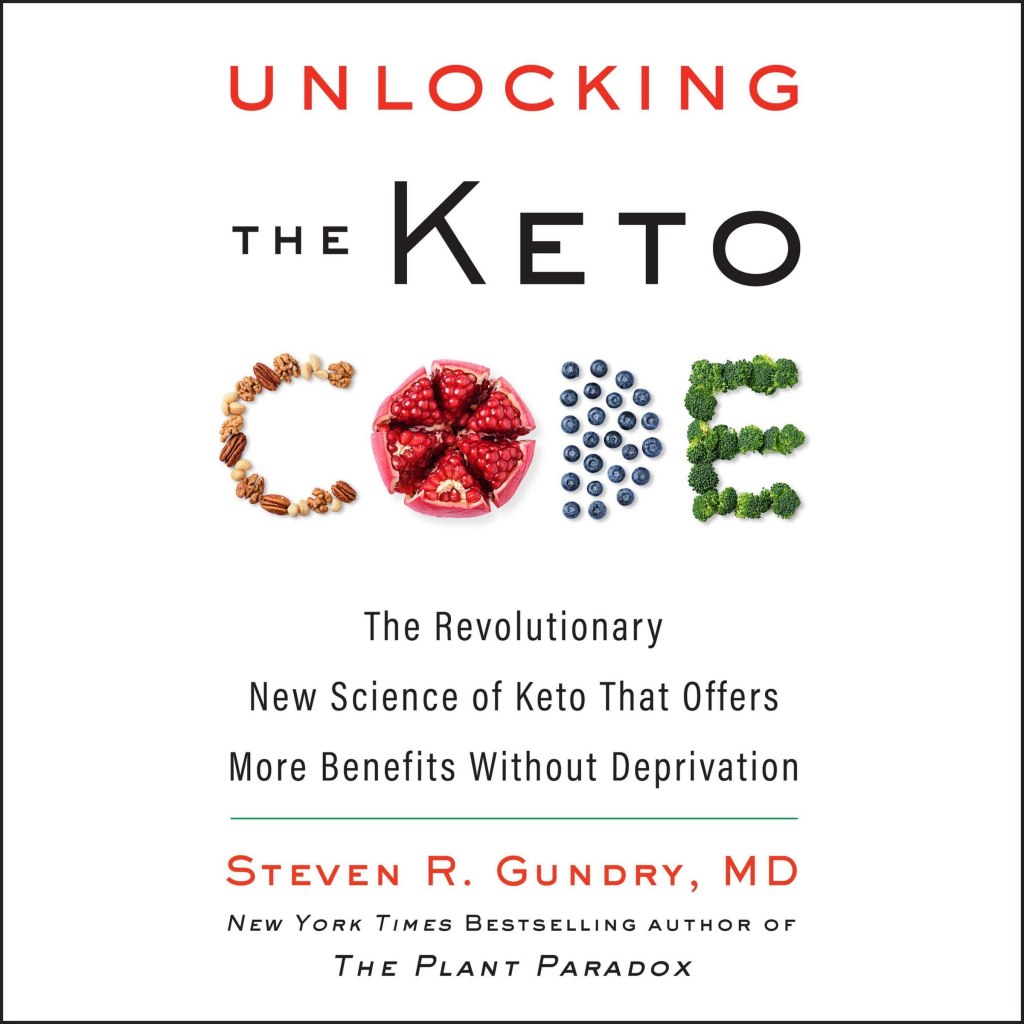
- The ketogenic diet which drastically reduces carbohydrates while increase fat consumption;
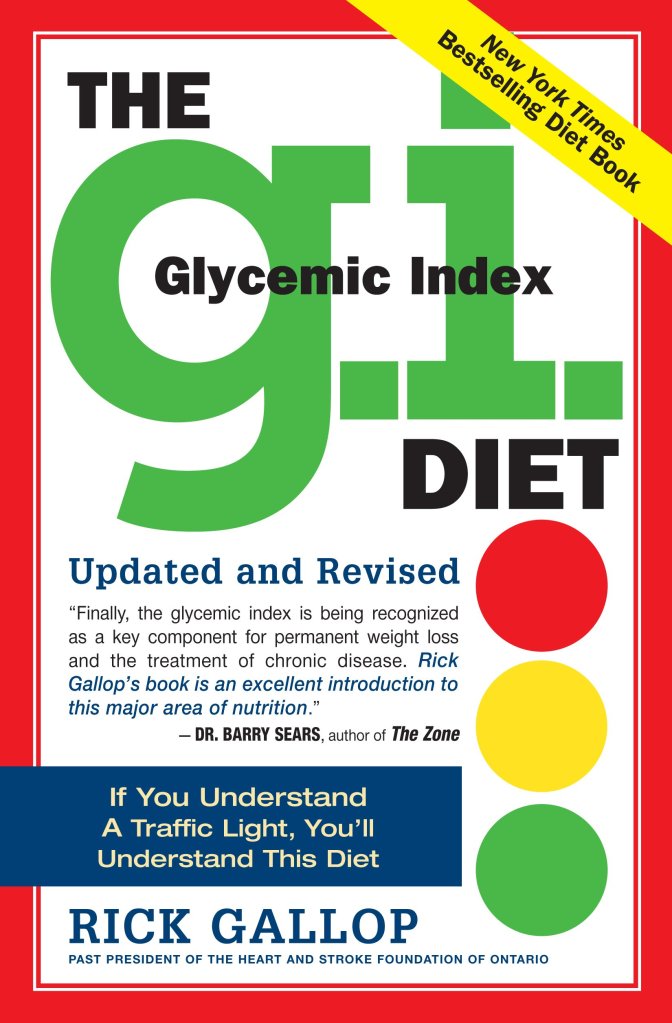
- The low-GI or diabetes-friendly diet which includes eating foods with low glycemic indexes to avoid spikes in blood sugar, but also includes avoiding large portions of high carbohydrate foods;
- The gluten-free diet which eliminates all gluten-containing grains; and
- Vegan or vegetarian diets which excludes meat and fish and may restrict eggs or dairy products or eliminating all animal products.
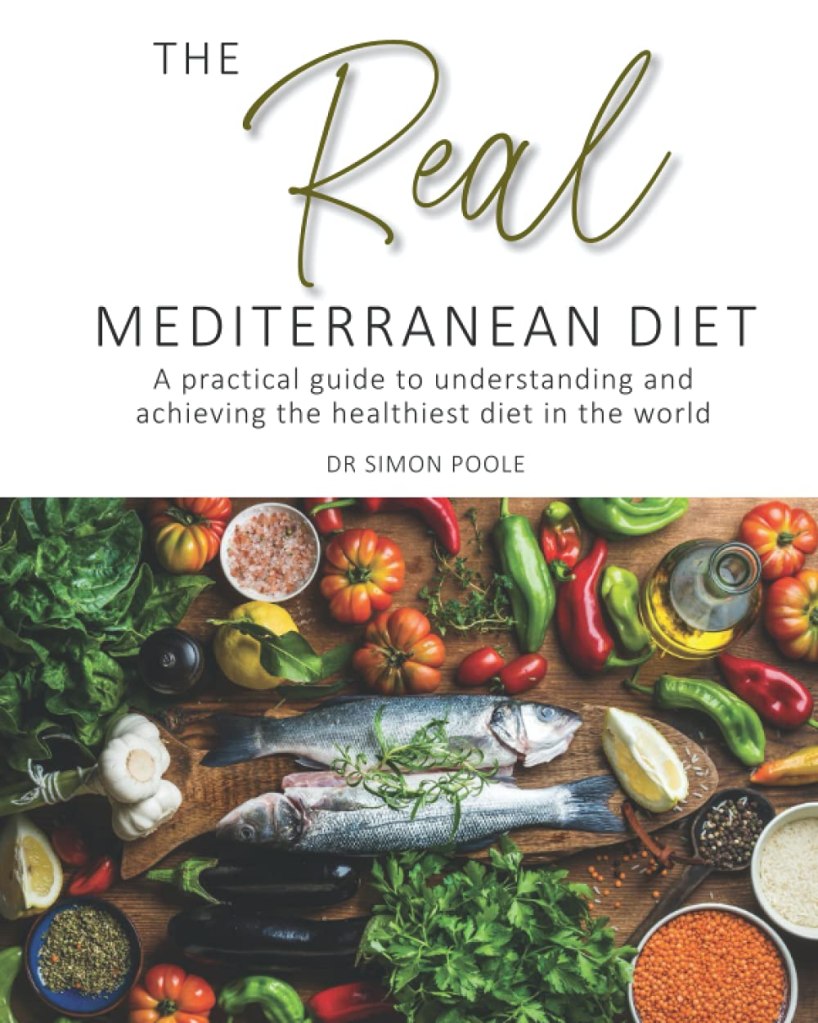
- The Mediterranean diet which is usually prescribed to those with heart issues as this is thought to be the heart-healthiest of all diets. This foundation of this diet is fish that are high in omega-3 fatty acids, which has been proven to reduce inflammation.
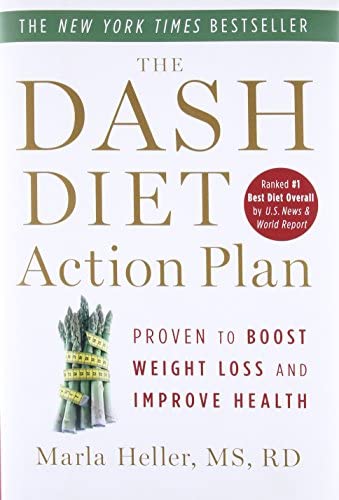
- The DASH diet which stands for dietary approaches to stop hypertension is designed to reduce high blood pressure and promote weight loss which then reduces inflammation. The focus of this diet is to focus on whole foods and limit protein, sweets, and processed foods. However, this diet does include a bit more dairy than others.
What can these foods do for you besides helping with autoimmune diseases. They have all been shown to have positive changes on your body including clearer skin, decreased muscle or joint pain, decreased swelling in the hands and feet, fewer headaches, improved gastrointestinal symptoms, improved sleep, less anxiety, less stress, reduced brain fog, less bloating, lower blood pressure, lower blood sugar, more energy, and weight loss.
Just like the autoimmune protocol diet and reducing inflammatory foods, starting any diet that is anti-inflammatory isn’t going to change your body overnight. Your results will vary based on the severity of your intolerance and inflammation. Research shows that most people need three to six months to make diet changes and begin to see results. You do not have to make all of these drastic changes at once, you can begin by making small changes that will be impactful, and then slowly continue to add on.

 the autoimmune professor
Leave a comment