
The Autoimmune Protocol (AIP) diet is one that has an aim to reduce inflammation, pain, and other symptoms that are caused by autoimmune diseases. There has been a lot of research done that shows very promising reports of improvement in the way that patients with autoimmune diseases feel when on an AIP diet. The main symptoms that the AIP diet have shown to improve include fatigue, gut pain, digestive issues, and joint pain. This diet is very promising for help in these symptoms; however, the diet itself can be very strict and limiting.
As my other articles and podcasts have discussed, those with autoimmune disorders have an immune system that produces antibodies that attack our healthy cells and healthy tissues which then results in a number of symptoms. However, one of the biggest issues that research has shown to trigger the development of certain autoimmune diseases is damage to the gut barrier leading to permeability in the intestines or what is called leaky gut. Leaky gut is a digestive condition in which bacteria and toxins leak through the intestinal wall. Due to the fact that 80% of our immune system resides in our gut, you can see why this would be an issue.
What is leaky gut exactly?
We all have small gaps in the intestinal wall that allows water and nutrients to pass through, while also blocking the passage of harmful substances. When these gaps become looser, the gut then becomes more permeable which allows bacteria and toxins to pass from the gut into the bloodstream, which is known as leaky gut. When this happens and the bacteria and toxins then enter the bloodstream, it causes widespread inflammation, which then can potentially trigger a reaction from the immune system. This leads to symptoms that include bloating, food sensitivities, fatigue, digestive issues, and skin problems. Unfortunately, some medical professionals deny that leaky gut exists, because until recently there were few scientific studies that mentioned this syndrome. In the studies that have been done, there are likely multiple contributing factors to leaky gut syndrome.
- Excessive sugar intake
- Chronic inflammation throughout the body
- Stress
- Gut health – When there is a balance between the beneficial and harmful bacteria in the gut there is good overall gut health. When the balance is disrupted, it can affect the barrier function of the intestinal wall.
- Excessive alcohol intake
- Nutrient deficiencies such as vitamin A, vitamin D, and zinc
- Certain foods
Since certain foods are seen to possibly increase this permeability in the gut, it would make sense that the AIP diet would focus on eliminating these foods and replacing them with healthy, nutrient dense foods that are thought to heal the gut which would then reduce inflammation as well as the symptoms of autoimmune diseases.
The AIP Diet
There are two phases of the AIP diet – the elimination phase and the reintroduction phase. In the elimination phase, foods are removed from the diet that are believed to cause gut inflammation or the imbalances between the good and bad bacteria in the gut. This phase is extremely strict and cuts out all grains (not just gluten), legumes, nuts and seeds, eggs, dairy, nightshade vegetables, caffeine, coffee, alcohol, food additives, and refined and processed sugars. Also, medications, such as NSAIDS should be avoided as while NSAIDS are anti-inflammatory drugs, they actually cause inflammation in autoimmune patients.
This was the hardest part for me as spaghetti, tomatoes, and cheese are my favorite foods LOL! I will be very honest; my first thought was what in the world am I possibly going to eat. I should also add in here that I have no idea how to cook. I can make some great spaghetti, but that is about the extent of it. Thankfully, my husband is a wonderful cook, so I don’t starve. Throughout this process, he has been teaching me some things since this diet is so strict, but some days, I cut up some veggies and that is my meal!
So, what can you eat – well the whole point of this phase is to encourage the consumption of fresh, nutritious food. There is also a lot of emphasis that is put on improving certain lifestyle factors, such as increasing physical activity and quality sleep, while decreasing stress. This phase should continue for approximately 30-90 days and in this time you will notice a considerable reduction in symptoms. Once you have a very measurable improvement in symptoms with an increased overall well-being, then you can start the reintroduction phase.
The reintroduction phase is where you start to gradually reintroduce the avoided foods back into your diet one at a time so that you are able to identify which foods possibly contribute to your symptoms and which foods your body tolerates well. This is so you do not have to stay on such a strict diet forever and can have a wider variety of foods. When reintroducing the foods, you should do them one at a time and allow a period of about a week for each different food. Take my advice and do not introduce gluten, cheese, and tomatoes back into your diet on the same night. I was on vacation in Chicago and slept on the bathroom floor in the hotel room. Instead, with one at a time you can see which foods create any symptoms and you will actually be able to pinpoint each food. There are many different ways that people recommend introducing food, but the best one is to eat a small amount of the food and wait about 15-30 minutes to see if you have a reaction. If you do, you need to avoid this food . If you do not, eat a slightly larger portion, and monitor for 2-3 hours. If you have a reaction, avoid this food, if you don’t then eat a normal portion of the food for the third time that day and wait 5-6 days for a reaction. If you do not have a reaction, you can reincorporate, if you do, then avoid. However, even if you have found that you can reincorporate, do not reincorporate until you have done the test on all avoided foods. It has been found through research that most with autoimmune diseases will most likely need to avoid gluten, dairy, processed sugars, and sugar substitutes forever. These four foods are considered the four most inflammatory foods.
Does the AIP diet work?
Most with autoimmune diseases have a leaky gut and there is a link between the inflammation that is experienced and the permeability of the gut. The hypothesis is using the AIP diet will help heal a leaky gut and then reduce the amount of inflammation that is experienced. The one issue is that more research does need to be done to fully understand the exact ways in which the AIP diet is helpful.
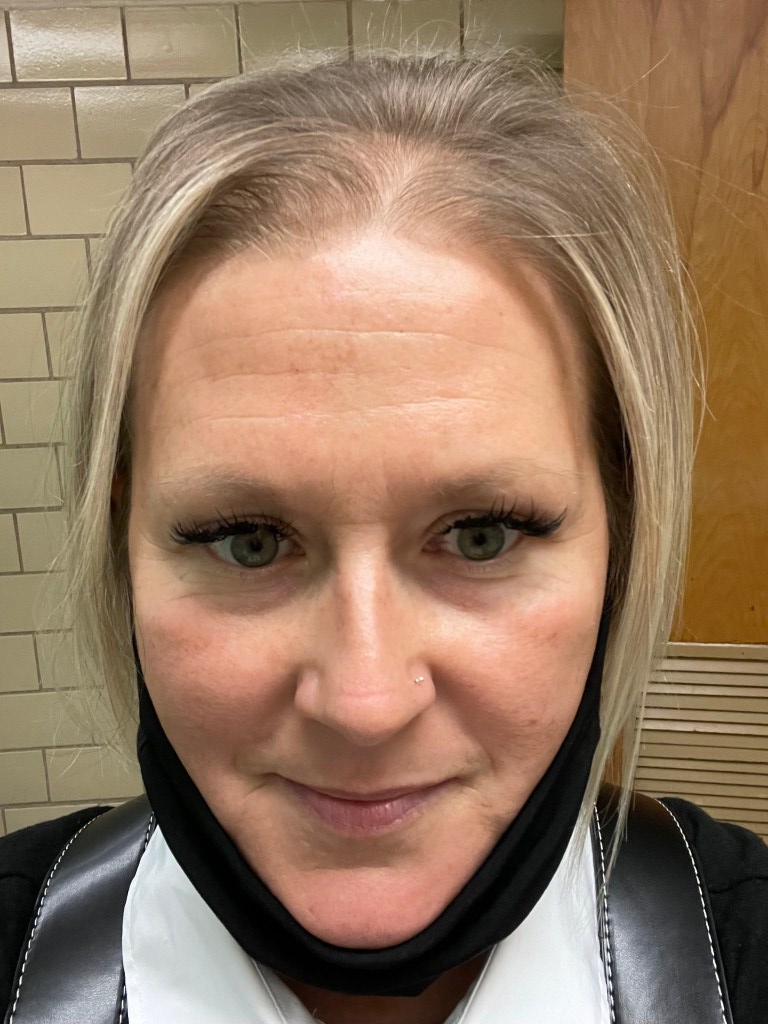
In my experience, it definitely works. I followed the elimination phase for 45 days, I lost about 15 pounds, could physically see the decrease in inflammation in my body, and felt better than I had in years. I went a little crazy during the reintroduction phase and at this point, I really still do not know what foods I need to avoid other than gluten. I can eat it if I take my digestive enzymes, but it is not good for my digestive system, that’s for sure. When I do not follow a strict diet, I feel super bloated, can actually see the inflammation in my face, get really dark circles under my eyes, have outbreaks of cold sores, and generally overall just look sick (added pics below). I am actually getting ready to start the elimination phase again on Sunday May 1 and am going to do the reintroduction phase correctly this time. I was just so excited to reintroduce foods that I did it all wrong.
So, what is the downside? Well, it is an elimination diet, so it is very restrictive which makes it very hard to follow. Even for those with autoimmune that know they have to be restrictive to not just feel good, but to be healthy, it is still a very difficult plan to follow.I am not currently on medicine for my symptoms and am strictly using natural methods, so for me, I know how sick I can get and I still will cheat sometimes, because it is definitely hard. However, if you can follow a restrictive diet and once you find what you can eat, I can almost certainly guarantee that you will see a decrease in symptoms and an increase in overall well-being.
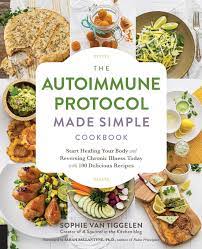
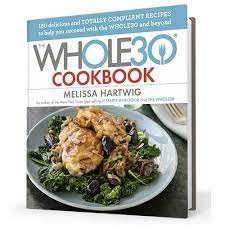
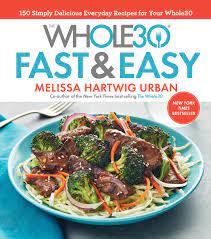
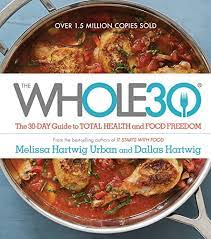
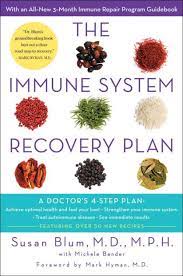
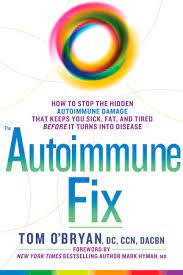
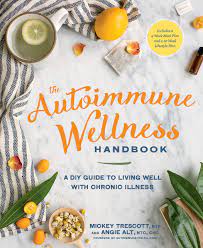
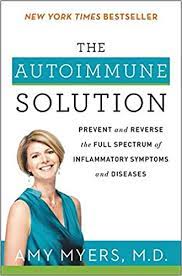
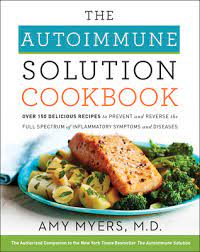
There are a number of books that are excellent in terms of the AIP diet and I have linked them here for you – my favorite as you know is the autoimmune solution by Amy Myers, but I also have found the others to be very informative and have found some great recipes in them. If you want to go super restrictive, I highly recommend the whole 30 diet. This is all about eating simply whole foods for 30 days and is just a little more restrictive than the AIP diet but is wonderful as well. While I was going through my elimination phase, my husband followed the whole 30 diet and it has completely changed the way that he eats.




 the autoimmune professor
Leave a comment